All products Decision layer Data collection Trip Counting Module
Active safety and control
Engine and thermal management

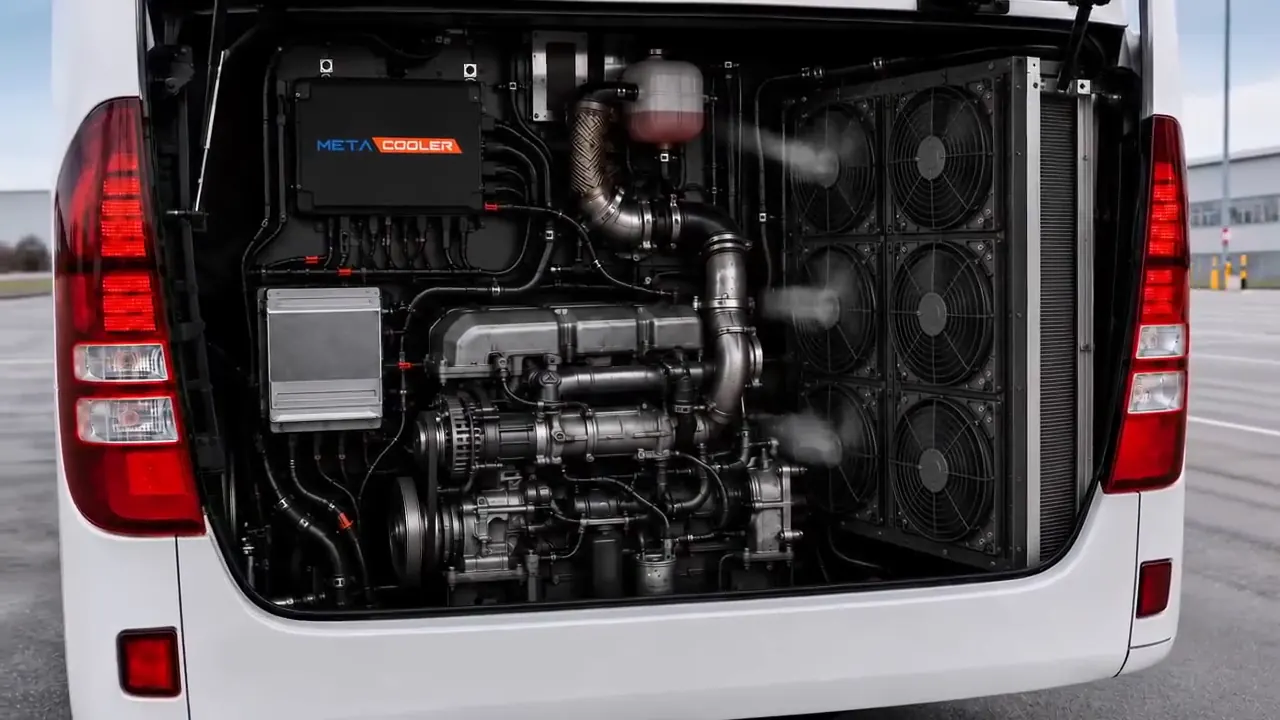
MetaCooler Hydraulic-to-electric fan conversion

The fan turns only when it's needed.

Electronic fan control that converts hydraulic fan drives to electric

MetaCooler — Hydraulic-to-electric fan conversion
CAN / J1939Decides on the vehicle's own data
PWMStaged fan control matched to demand
IP68EMI-shielded automotive-grade ECU enclosure
24 VRetrofit 24: four-fan conversion kit

What makes a hydrostatic fan drive risky?

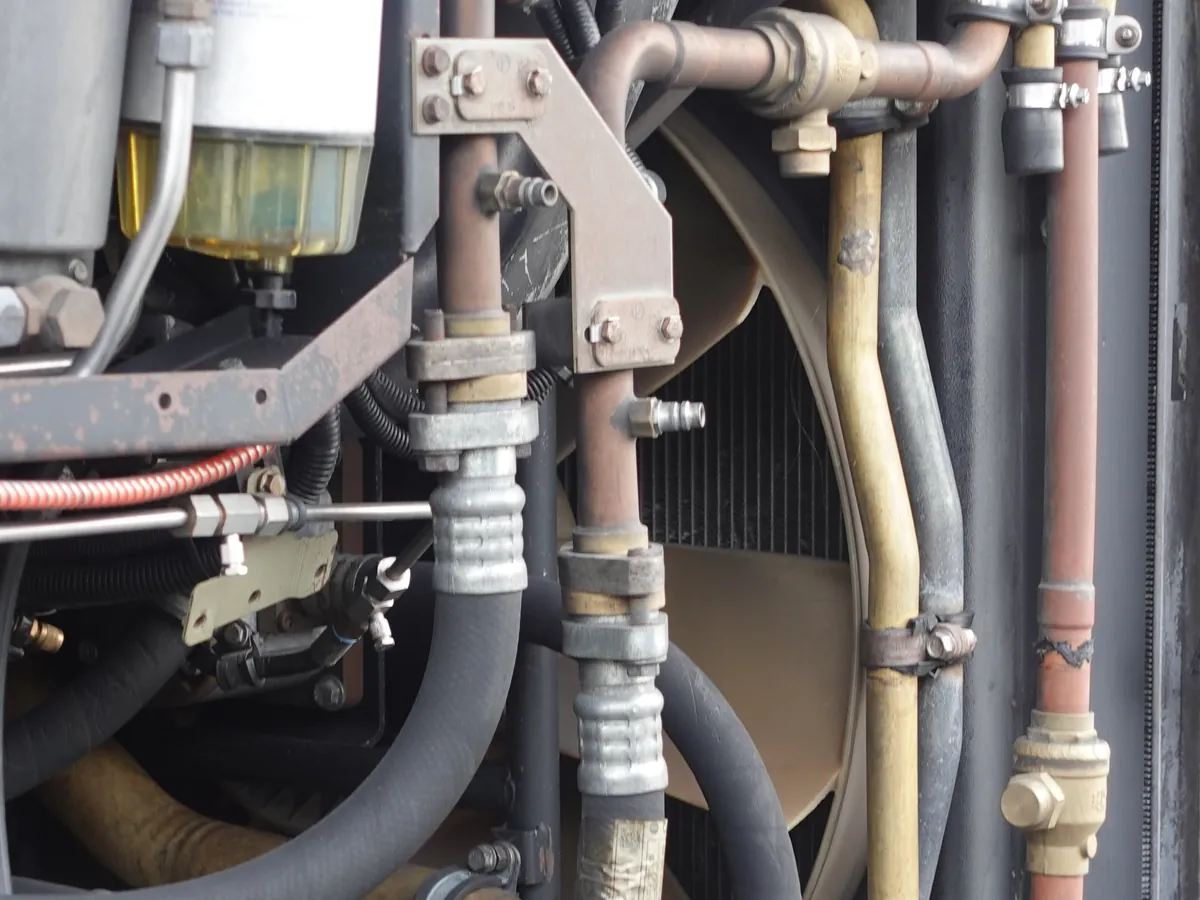
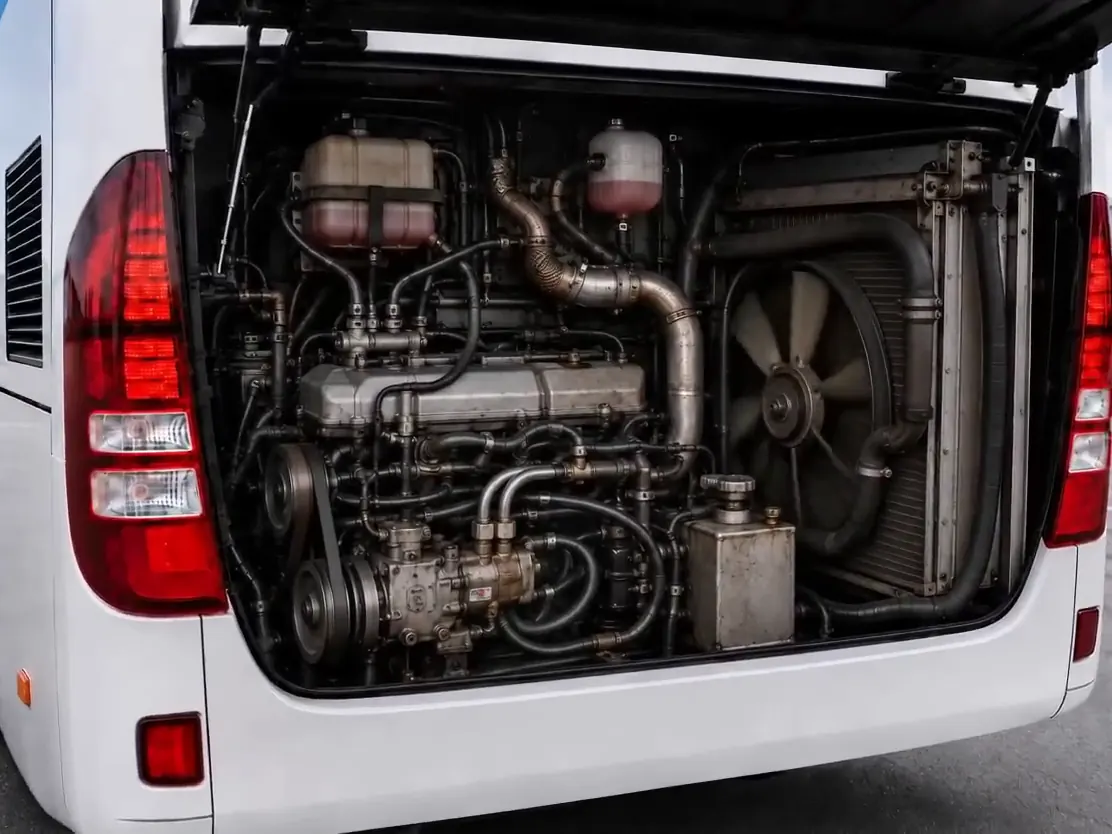
On older buses and heavy vehicles, the fan is turned by a chain of engine-driven hydraulic pump, proportional valve and hydraulic motor. Pressurised oil travels close to hot surfaces in the engine bay, and every link in that chain is a separate risk and maintenance point.

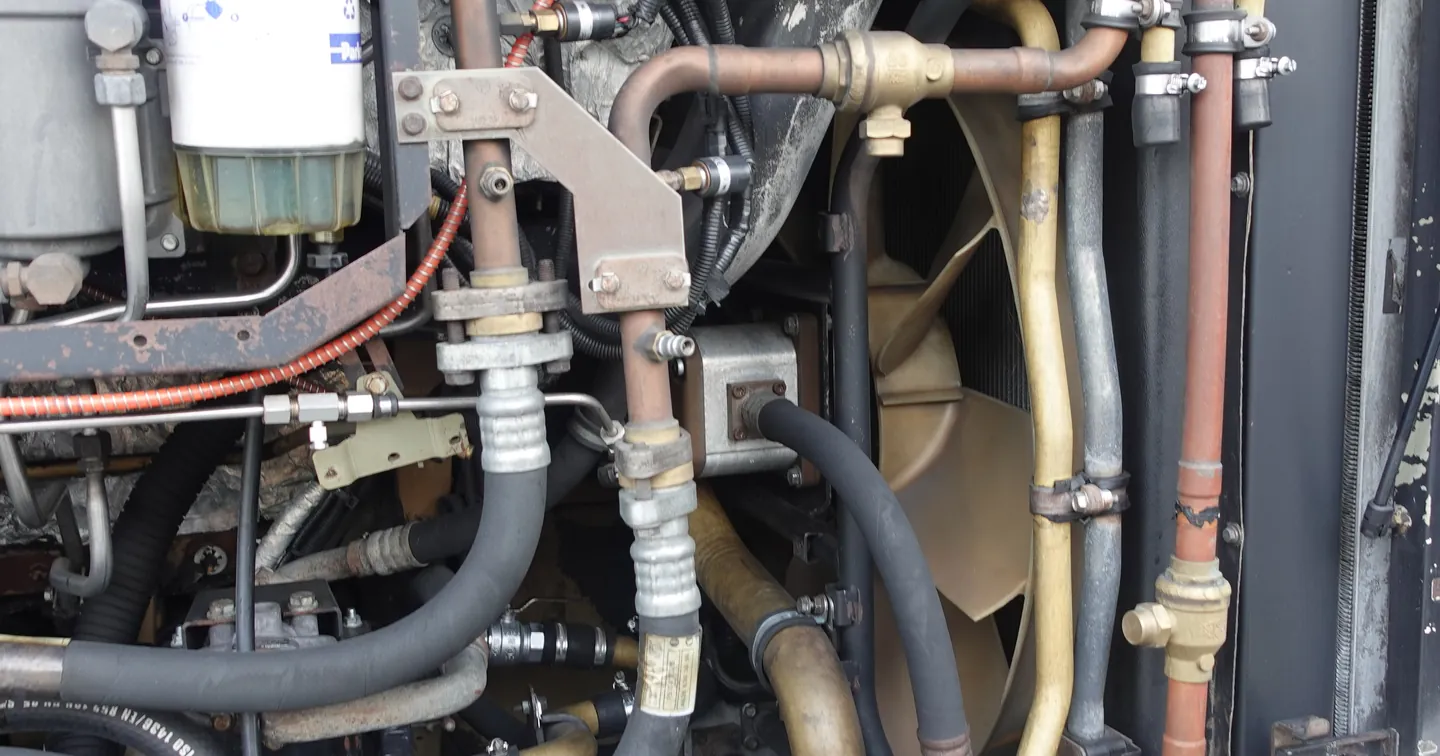
Engine bay before the conversion: the hydrostatic fan with the oil hoses and pipes running to its motor

Pressurised oil next to hot surfaces

Hoses and fittings run close to hot surfaces in the engine bay. A leak there is both a maintenance problem and a fire risk point.

With MetaCoolerThe e-fan retrofit removes 8 hydraulic parts, including the fan pump, oil pipes, reserve oil tank and hydrostatic valve; the fans are driven electrically.
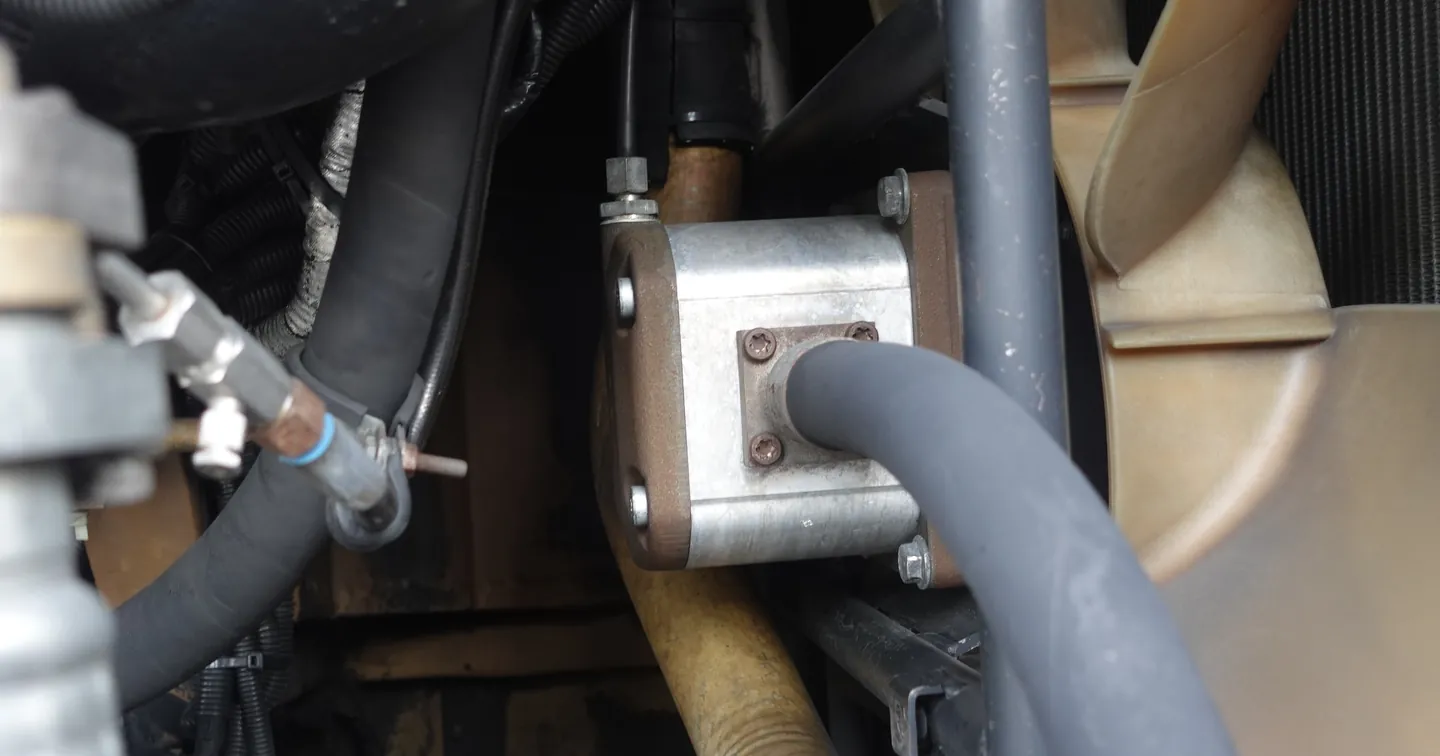
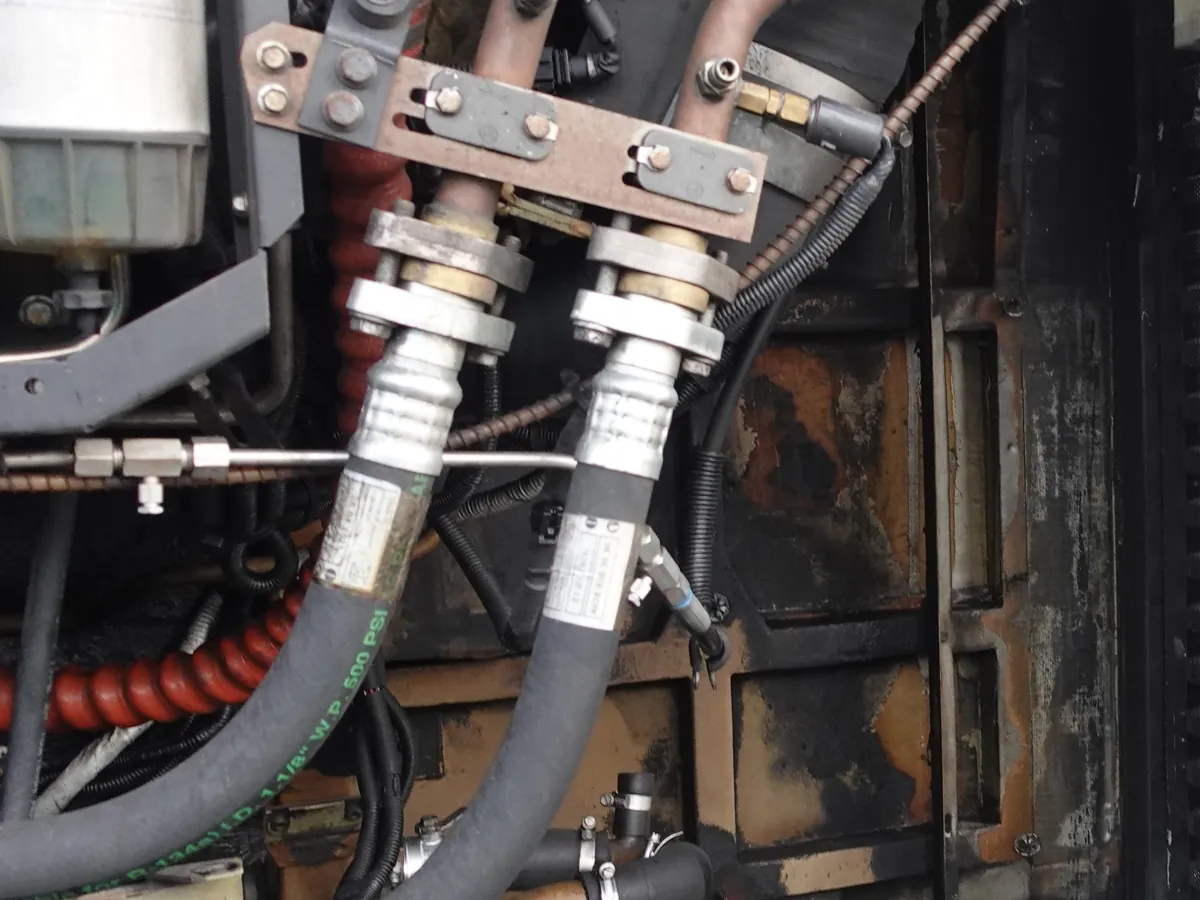
The hydraulic motor that turns the fan, with its oil hose

Full speed on a control fault

If the control signal is lost, the proportional valve stays closed and the fan spins at maximum speed even with a cold engine, which means needless engine load, noise and wear.

With MetaCoolerIf CAN data is lost the fans keep running at a safe speed of 70–100%, depending on the application; the driver is warned and the event is logged.

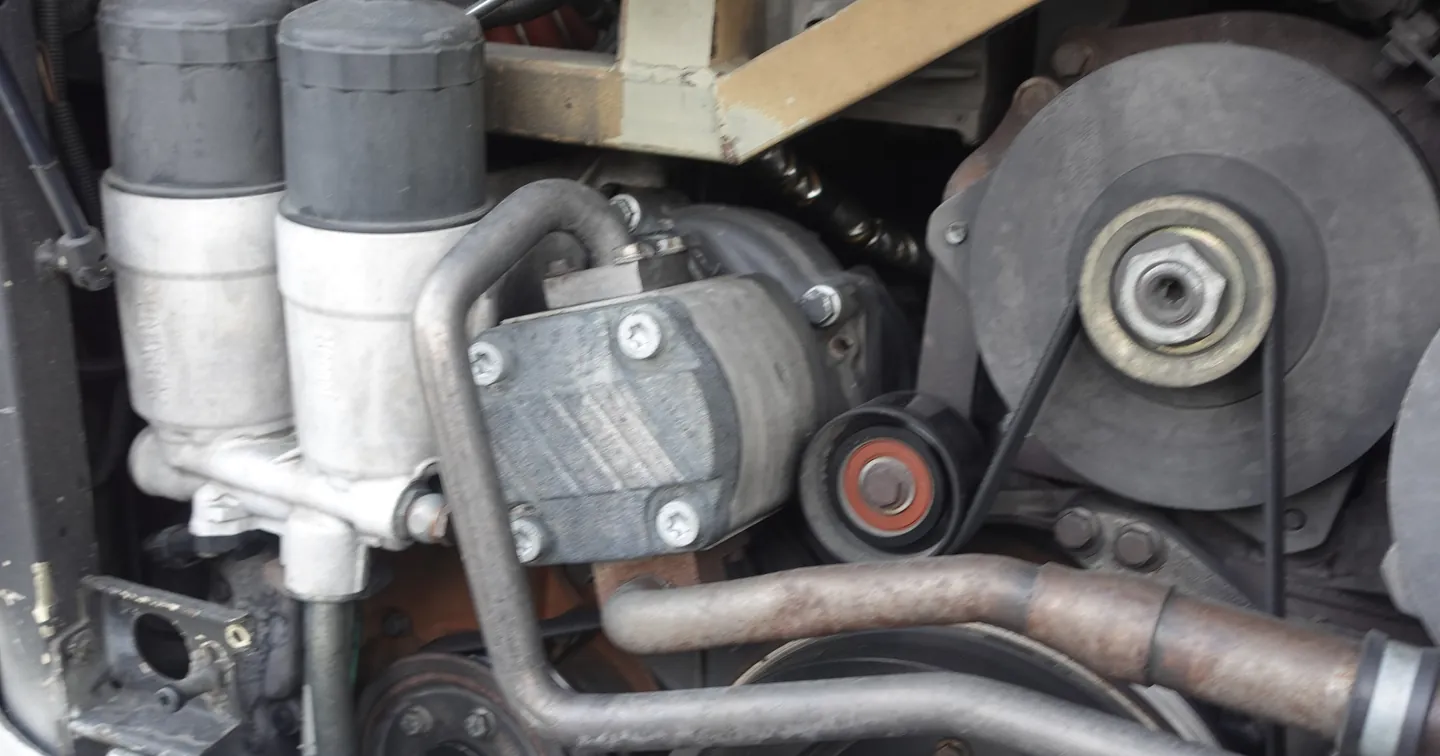
The fan pump on the engine block with its oil pipes

Six separate maintenance points

Seal and bearing failures in the pump, sticking in the valve, wear in the hydraulic motor, leaks in the hoses, low oil level and contamination in the reservoir, signal faults in the control. Any of them can take the vehicle off the road unexpectedly.

With MetaCoolerThe hydraulic pump, valve, hydraulic motor and hose lines leave the system; an IP68-rated ECU runs the fans from the vehicle’s own data.

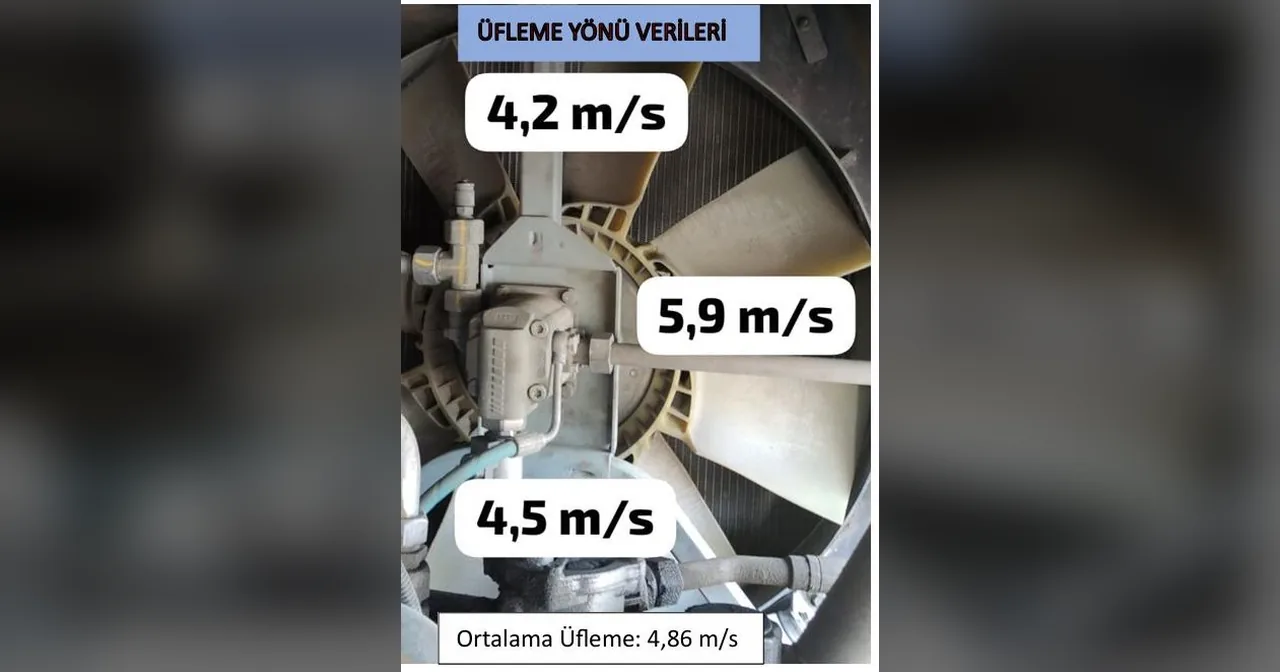
Blowing speeds measured on the hydrostatic fan, average 4.86 m/s

Fan power that is not needed

The pump takes its drive from the engine. When fan speed does not track the actual cooling demand, the engine spends power turning the fan at moments when no cooling is needed.

With MetaCoolerFan speed follows the cooling demand through PWM; when demand drops the speed comes down, so no power is wasted.

The fans run only when needed, and only as hard as needed

MetaCooler wakes up with the vehicle's power supply and runs a self-test. From then on it reads engine speed and coolant temperature continuously from the vehicle's CAN/J1939 network and decides on board when the fans run and how fast.

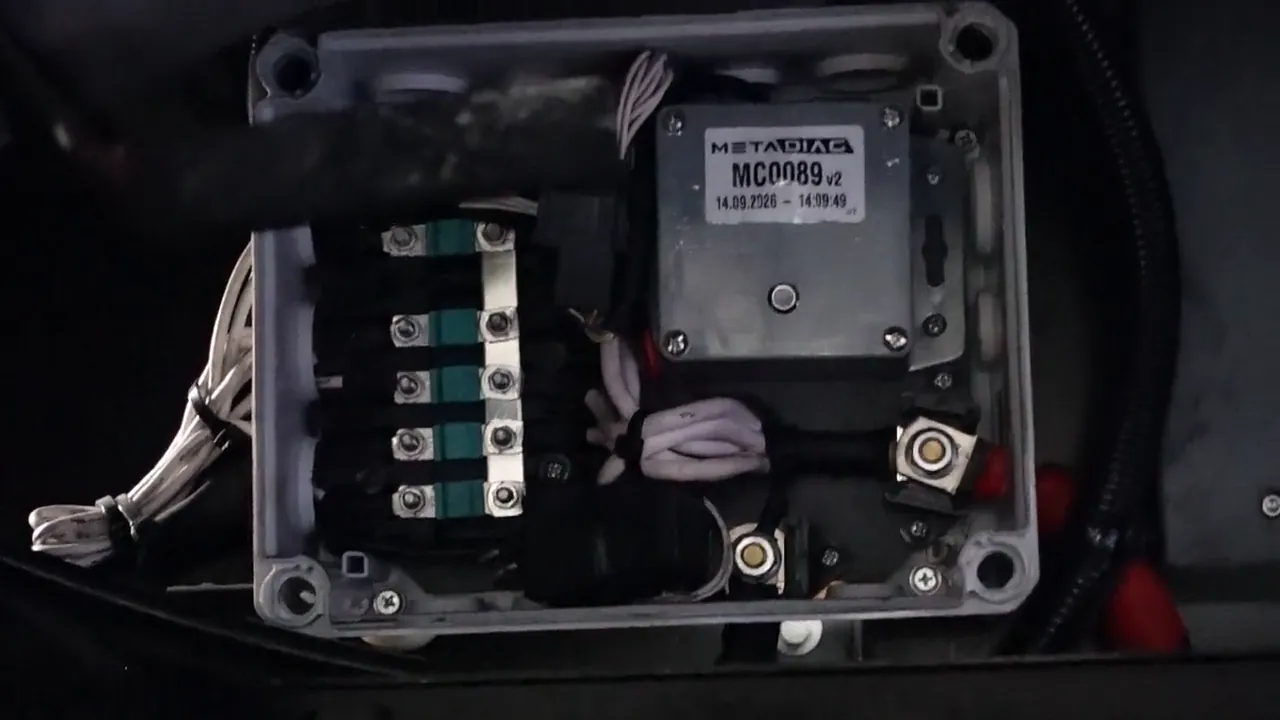
  1. The MetaCooler control unit and fan fuses installed in the vehicle, status light blinking

    Reads the data

    Engine speed and coolant temperature come from the vehicle ECUs over CAN/J1939. Depending on the application, other thermal signals such as engine oil or intake air temperature are evaluated too.

  2. Waits while the engine is cold

    Waits while the engine is cold

    The fans stay off until the thresholds are crossed. In the prototype logic they engage once the engine is above 550 rpm and coolant passes 70 °C; thresholds are calibrated for each vehicle platform.

  3. Starts in stages

    Starts in stages

    The fans do not start all at once but one after another, 200–1000 ms apart, so the vehicle's electrical system never takes the full inrush current in one go.

  4. Matches the demand

    Matches the demand

    As cooling demand rises, fan speed steps up under PWM control, and it comes down again as demand falls. A 2–5 °C hysteresis and a ramp limit keep the fans from cycling on and off around a threshold.

  5. Full capacity at peak load

    Full capacity at peak load

    At peak moments such as a long climb, high ambient temperature or a heavy load, all fans run at full capacity.

  6. Falls back to fail-safe mode

    Falls back to fail-safe mode

    If CAN data is lost, the fans do not stop: they switch to a safe default speed of 70–100%, depending on the application. The driver is warned and the event is logged.

The first step shows footage from a vehicle; the scenario animations are illustrative.

Fans run on the vehicle's own data

Metadiag MetaCooler Retrofit 24, available today, pairs the control software with a vehicle-specific four-fan conversion kit for 24 V vehicles. The same platform is being developed for other segments.

Control

Control over CAN/J1939

For CAN-based fan control, engine speed and coolant temperature are read from the vehicle's own data network. Decisions are made on board, with no need for an internet connection.

Staged start

Fans engage one after another, 200–1000 ms apart, so their combined start-up current never hits the vehicle's electrical system all at once.

Stepped PWM speed control

Fan speed is set by PWM according to demand. Hysteresis and a ramp limit let the speed change smoothly, without sudden jumps.

Highest-demand logic

A separate 0–100% demand is calculated for each thermal signal, such as coolant, engine oil, intake air or transmission, and the fans follow the highest one. The signals used depend on the application.

After-run and cleaning mode

Once the engine stops, the fans can keep running for a while, depending on the application, to clear residual heat. If the fan supports it, its direction can be reversed for 10–30 s to clean the radiator.

Fail-safe operation

Fail-safe mode, driver warning, event log

If CAN data is lost, the system switches to a safe default fan speed of 70–100%, depending on the application. If one fan fails, the remaining fans speed up. In both cases the driver is warned and the event is logged.

Backup sensor logic

If the coolant temperature sensor fails, engine oil temperature can be used as backup data, so control does not hang on a single sensor.

Application

IP68 EMI-shielded ECU enclosure

The MetaCooler ECU, the J1939 fan controller at the heart of the system, sits in an IP68, EMI-shielded automotive-grade metal enclosure. Excluding fan current, the ECU draws no more than 1 A.

Vehicle-specific calibration and conversion

The conversion follows six steps: survey and CAN analysis, hydrostatic removal, mechanical installation, wiring and connections, calibration, testing and handover. The shroud, wiring harness and J1939 calibration are prepared for each vehicle.

What comes out, what goes in

In a Retrofit 24 conversion, eight components of the hydrostatic system come out, from the fan impeller to the reserve oil tank. In their place go an electric fan array, a protected power path and the MetaCooler ECU.

  1. Before the conversion: the hydrostatic fan in front of the radiator
    Before

    Hydrostatic fan

    The fan is coupled to a hydraulic motor driven by oil pressure; the oil hoses and pipes run through the engine bay.

  2. Removal: the empty space left by the hydrostatic fan
    Removal

    Hydrostatic fan removed

    The fan and its hydraulic motor come out; the parts of the oil circuit leave the vehicle.

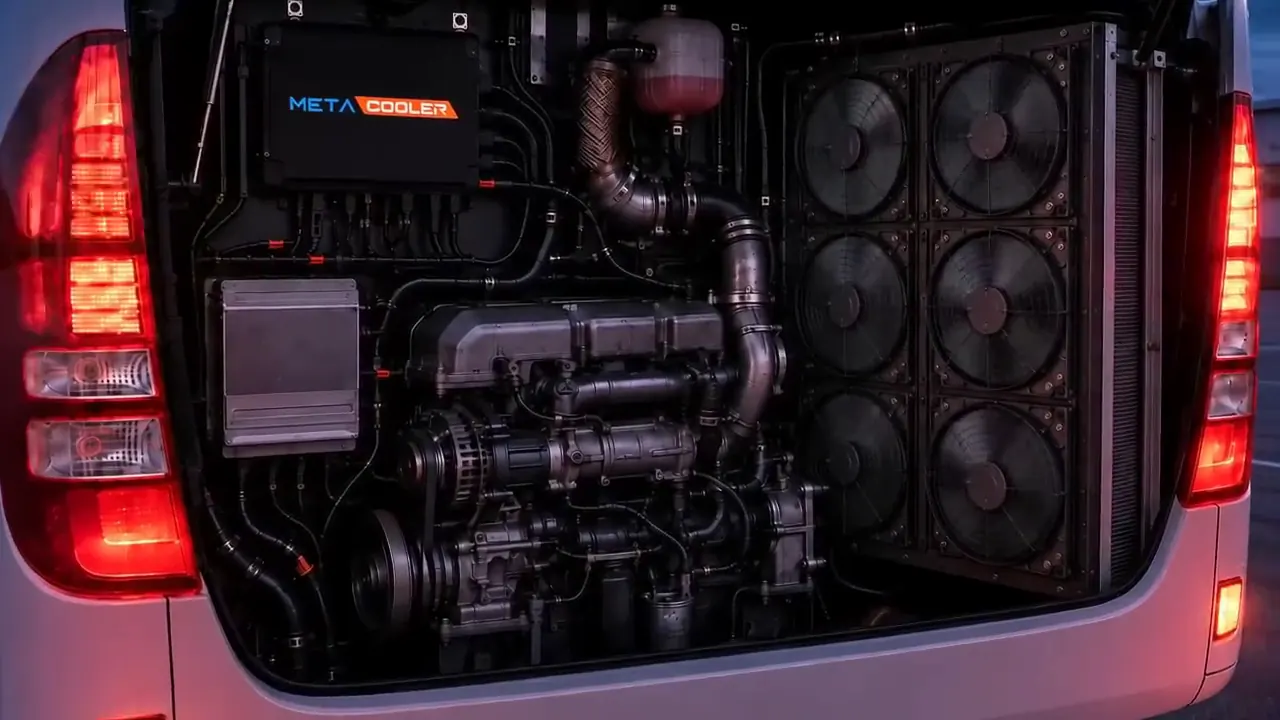
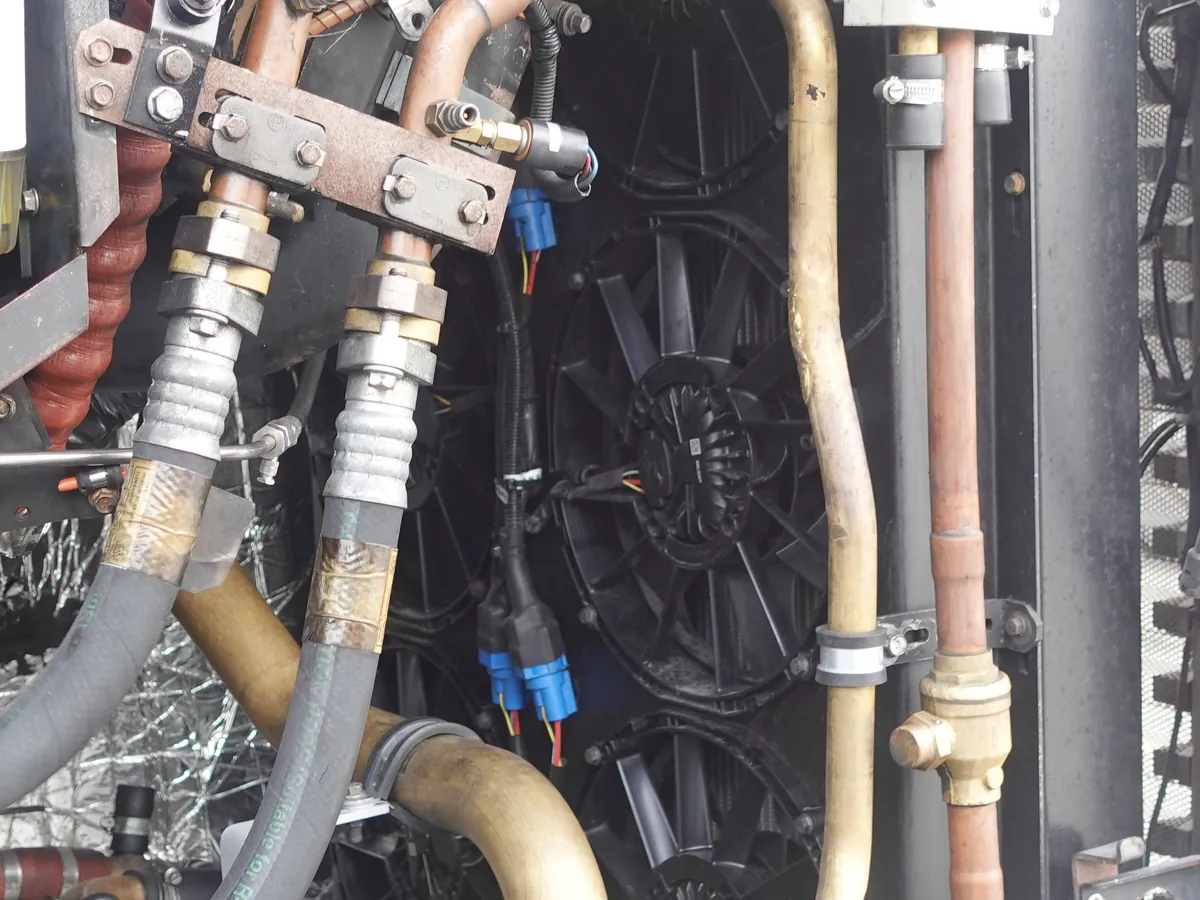
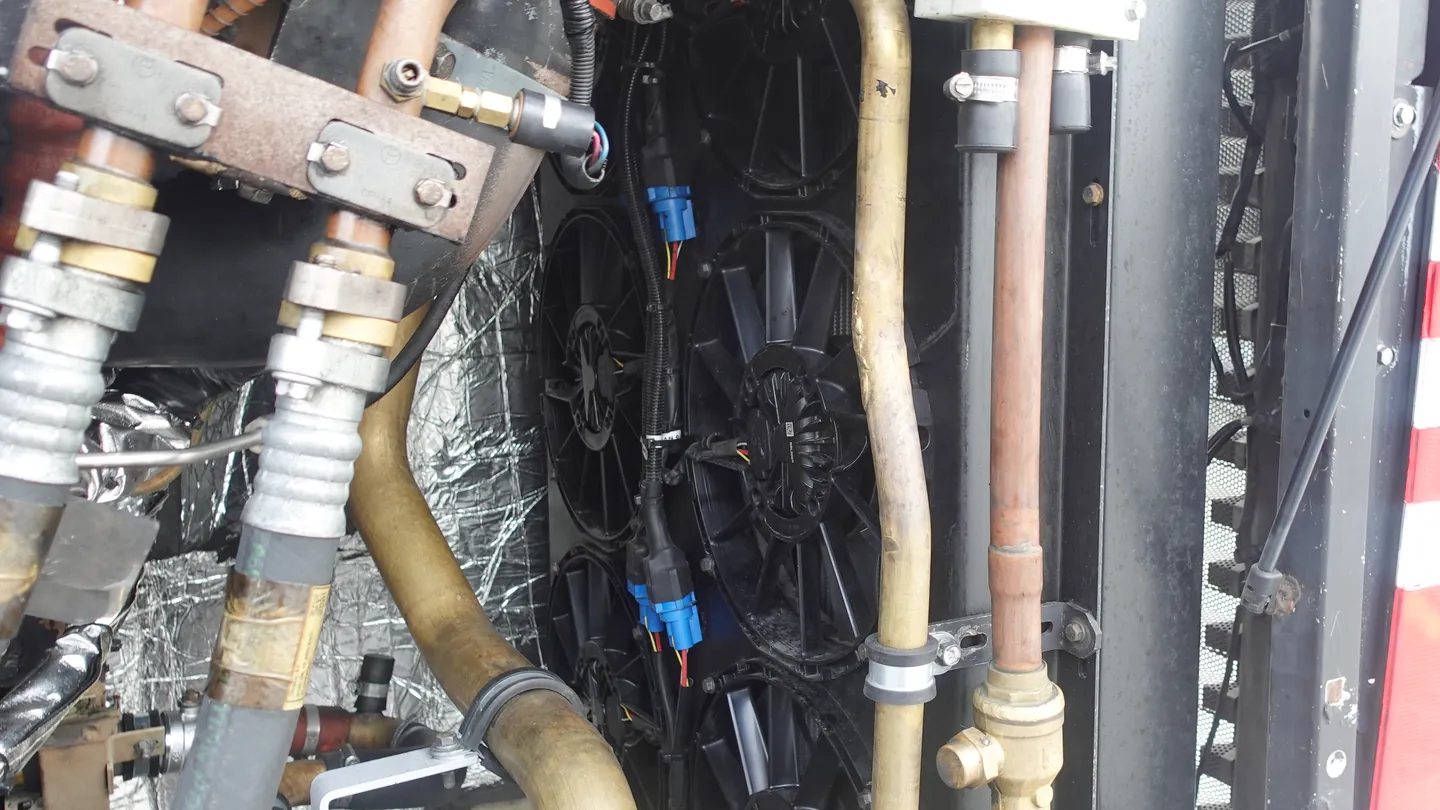
  3. After the conversion: electric fans and their connectors fitted in the same place
    After

    Electric fan array

    Electric fans go into the same place; each fan plugs into the wiring harness with its own connector and is controlled by MetaCooler.

The photos were taken on vehicles of the same type, at three different stages of the conversion.

Removed: hydrostaticAdded: electric
Hydraulic pump, proportional valve, hydraulic fan motor
Stepped PWM driveElectric fan array and shroud
Fan oil lines, radiator connection hoses
Protected power pathHigh-current wiring harness, one fuse per fan
Oil reservoir and level sensors
CAN/J1939 controlMetaCooler ECU in an IP68 EMI-shielded enclosure
Analogue valve command from the engine control unit
Traceable fail-safeDiagnostics, driver warning and fail-safe mode

The exact list of parts removed and added is confirmed for each vehicle platform during the survey. Installation is carried out without damaging the original system and in a traceable way.

From the field

Engine bay of a converted vehicle (field footage)
Electric fan array and fan connectors (field footage)
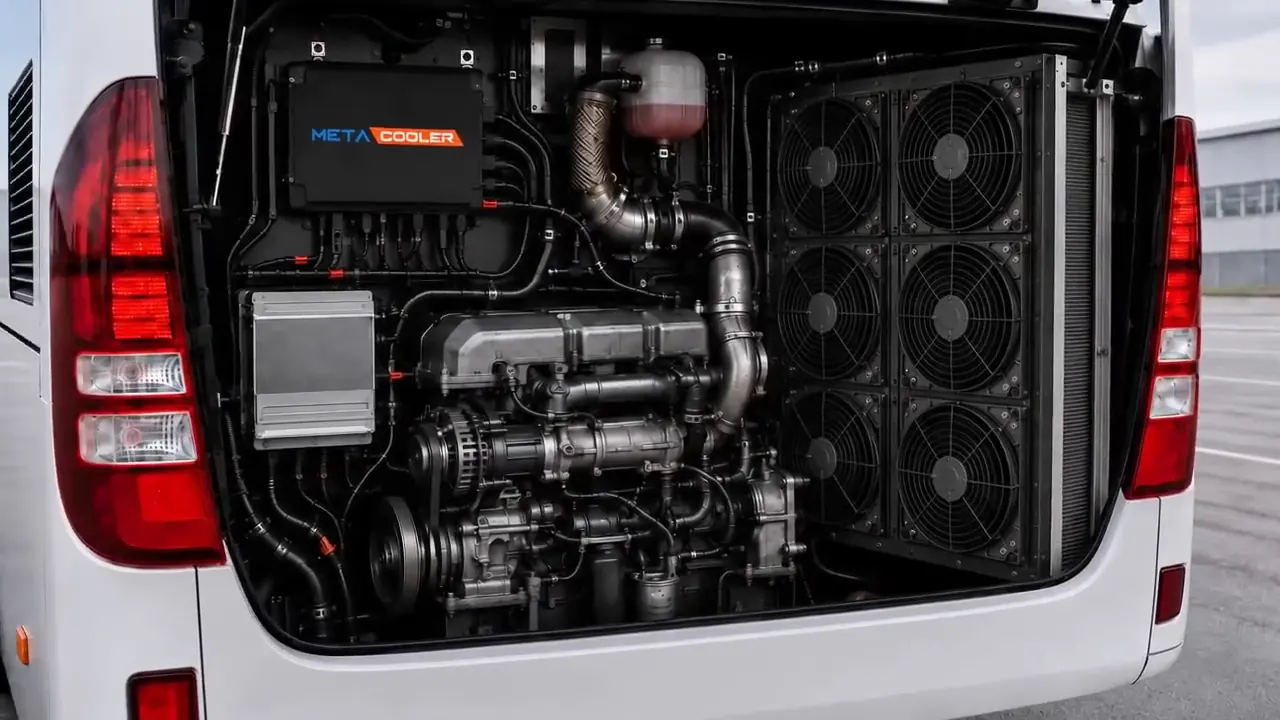
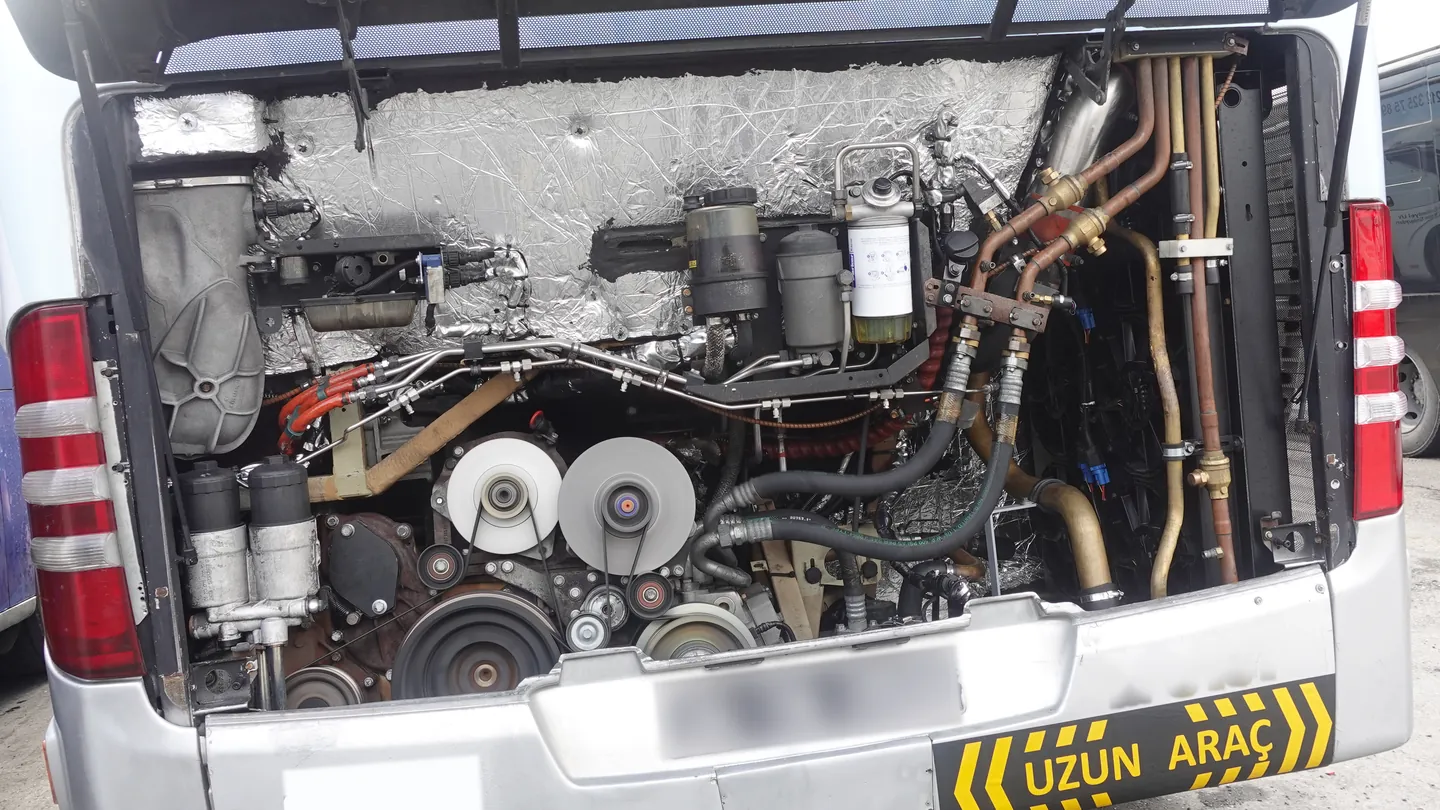
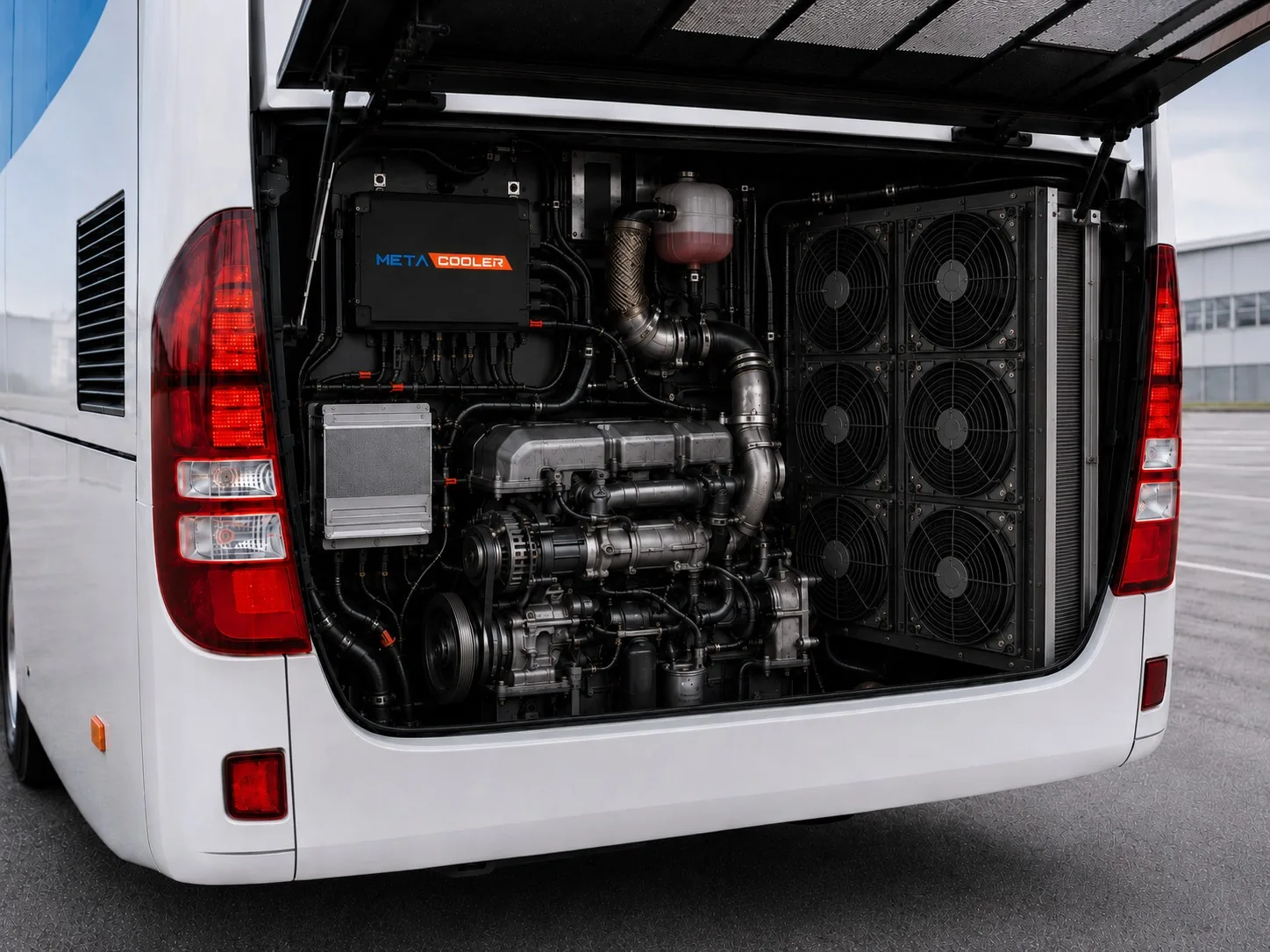
Rear view of the vehicle after the conversion
The electric fans fitted in place of the hydrostatic fan
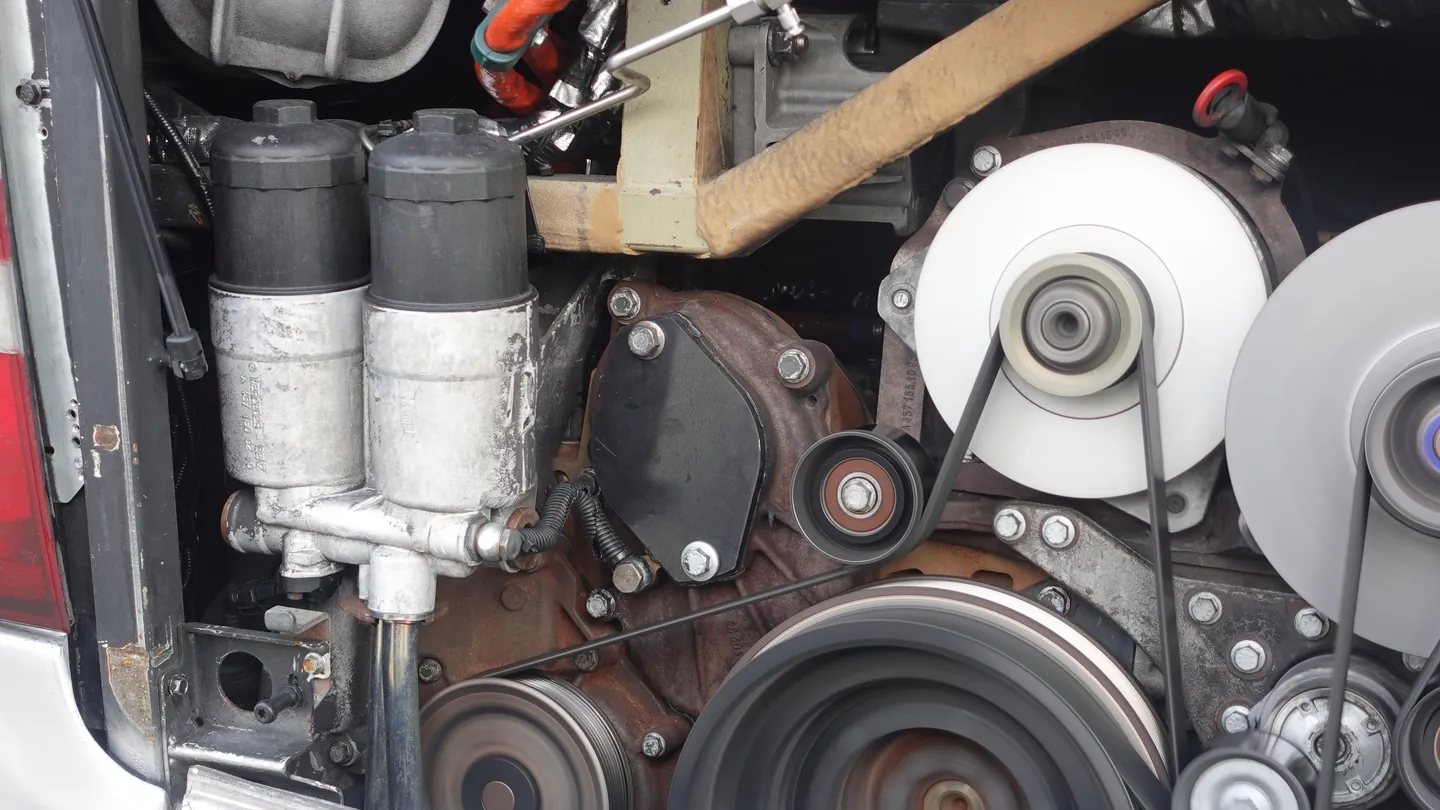
The engine block after the fan pump was removed
Before: the hydrostatic fan drive (animation)

The photos and field footage are from a converted vehicle. The animations explain the control logic; the number of fans in them is illustrative.

Where it is used

City buses

In stop-and-go traffic, engine temperature changes constantly. The fans stay off while the engine is cold and come in stage by stage as it warms up.

Intercity coaches

On a long climb or a hot day all fans go to full capacity; on the level, as demand drops, so does fan speed.

Heavy commercial vehicles

On heavy vehicles, a hydrostatic fan drive retrofit is built on a vehicle-specific survey, CAN analysis and J1939 calibration.

Municipal, construction and mining vehicles

Development work on the same platform is under way for dusty, dirty and high-vibration sites.

Generators and electric commercial vehicles

The same platform is being developed for generator and machinery cooling, and for battery and power electronics cooling in electric commercial vehicles.

Technical specifications

MetaCooler Retrofit 24

Nominal supply
24 V DC
ECU consumption
≤ 1 A (excluding fan current)
ECU enclosure
IP68, EMI-shielded automotive-grade metal enclosure
Vehicle network
CAN, SAE J1939
Control inputs
Engine speed and coolant temperature (CAN/J1939); backup: engine oil temperature
Fan control
PWM, staged; 200–1000 ms start interval between fans
Fan array
4 electric fans, vehicle-specific shroud
Power protection
High-current wiring harness, one fuse per fan
Fail-safe
On CAN loss: 70–100% safe fan speed (application-dependent), driver warning, event log
Calibration
J1939 calibration specific to each vehicle platform

Values refer to the MetaCooler Retrofit 24 configuration; thresholds and fan speed profiles are calibrated for each vehicle platform. Fan current depends on the fan array used and is assessed during the survey. CE and ECE R10 certification work is ongoing.

Certificates

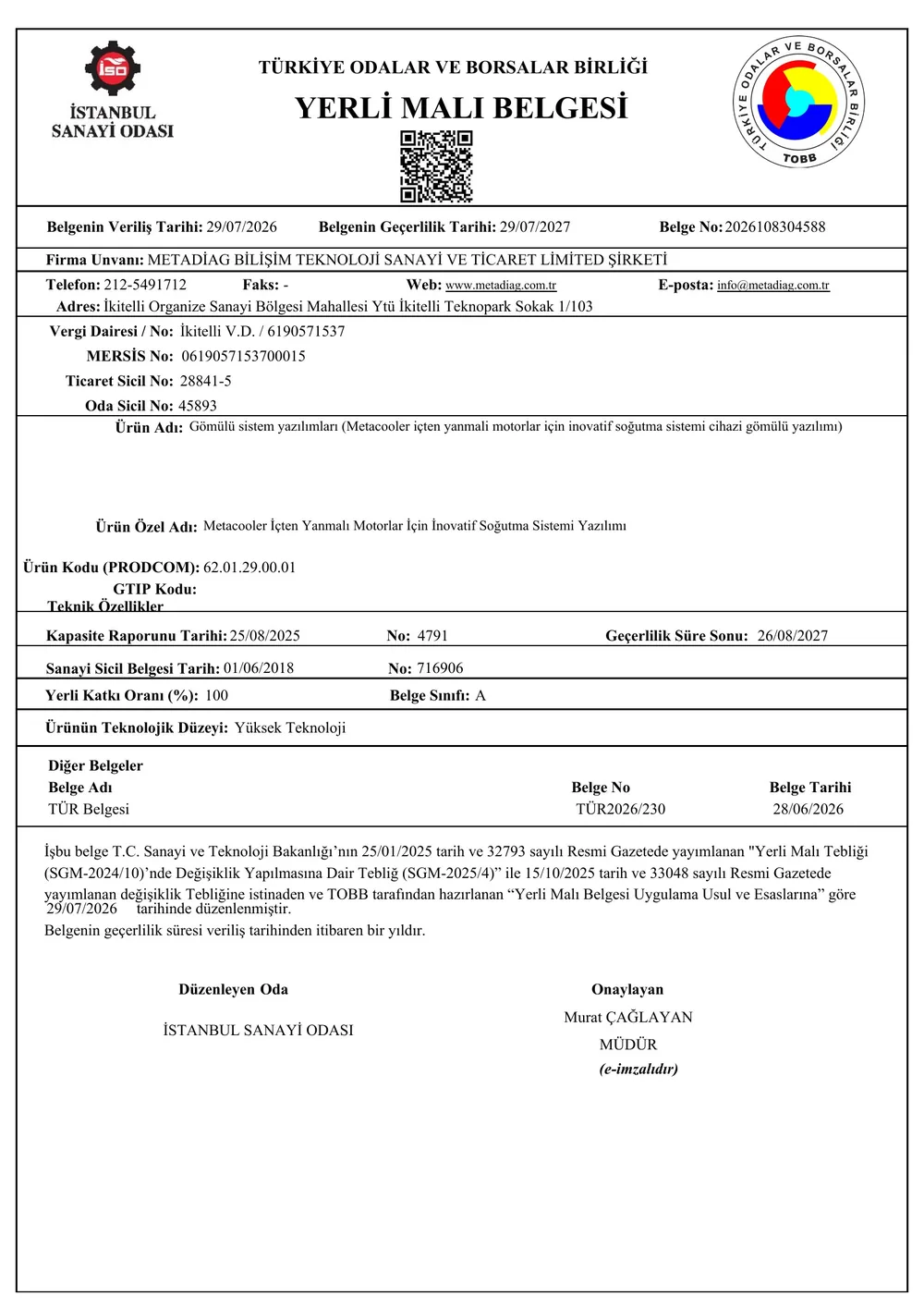
Certificates are issued per product and model. Select one to view it.

Certificates were issued under the company's previous title, Metadiag Bilişim Teknoloji Sanayi ve Ticaret Ltd. Şti.

Part of the ecosystem

MetaCooler decides on the vehicle, using the vehicle's own CAN data and without needing an internet connection; it has no screen in the MetaFMS panel. On bus fleets it is offered as part of the public transport solution, alongside MetaVision for driver monitoring and MetaTrack for vehicle data.

Frequently asked questions

What happens if CAN data is lost?

The fans do not stop. The system switches to a safe default fan speed of 70–100%, depending on the application, so cooling stays high; it also warns the driver and logs the event. If one fan fails, the remaining fans speed up, and if the coolant sensor fails, engine oil temperature can be used as backup data.

Does the conversion damage the vehicle's original system?

The conversion follows the principle of installing without damaging the original system and in a traceable way. Which components come out and what goes in is defined for each vehicle platform during the survey.

Which vehicles are suitable for MetaCooler Retrofit 24?

MetaCooler Retrofit 24, available today, is designed for 24 V buses and heavy commercial vehicles with a hydrostatic fan drive. The vehicle needs a CAN/J1939 connection, and suitability is confirmed through a survey and CAN analysis. The same platform is being developed for other segments.

Who carries out the conversion, and how long does it take?

The conversion requires application engineering; Metadiag provides survey, engineering, installation and commissioning together. Duration depends on the vehicle platform and is confirmed during the survey. You can request a site survey through our contact page.

Does it add load to the vehicle's electrical system?

Yes. The electric fans are powered by the vehicle's electrical system; this load has been measured and can be managed. The staged start limits inrush current, and a fuse on each fan protects the power path. The current drawn by the fan array is assessed for each vehicle platform during the survey.

What is MetaCooler's patent status?

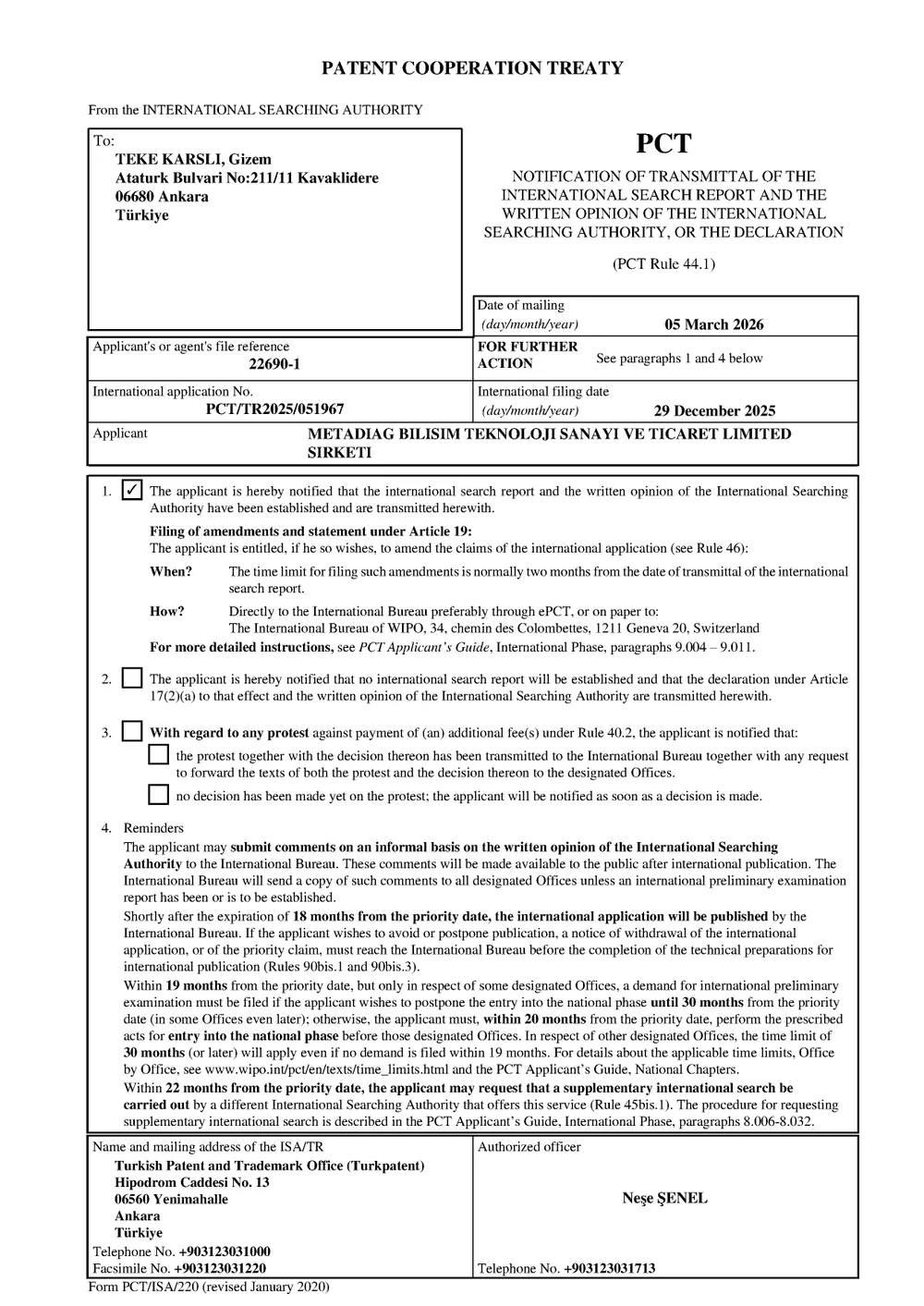
National patent application no. 2024/021239 has been filed for MetaCooler and has received a positive search report. In the international search for application PCT/TR2025/051967, all 12 claims were found novel, inventive and industrially applicable. Registration is in progress.

Which certificates does MetaCooler hold?

MetaCooler's software holds a class A Domestic Goods Certificate (Yerli Malı Belgesi) with 100% domestic contribution (no. 2026108304588, valid until 29 July 2027) and Technological Product Certificate TÜR2026/230. The hardware has a 98.39% domestic contribution record; hardware certification, CE and ECE R10 work remain in progress. See the Metadiag certificates page for certificate numbers and scope.

Does MetaCooler need an internet connection to control the fans?

No. Fan control decisions are made on the vehicle using its own CAN/J1939 data. MetaCooler has no screen in the MetaFMS panel.

MetaCooler manages engine cooling based on vehicle data; it does not replace scheduled vehicle maintenance, cooling system checks or the driver's attention to dashboard warnings. Each conversion is built on a vehicle-specific survey and calibration, and the vehicle manufacturer's instructions still apply.

MetaCooler

Let's start with a few pilot vehicles in your fleet

We plan the survey, installation and reporting around your site. Our team reviews your vehicles and recommends the right configuration.

Products of interest