All products Decision layer Data collection Trip Counting Module
Active safety and control
Engine and thermal management

Solutions Passenger cars

Taxi camera rules and company car needs in Türkiye

MetaTrack reads the vehicle's location and engine data, MetaVision records driver behaviour and the road, and everything meets on one map in the MetaFMS panel. In taxis and shared taxis, cameras, recorders, tracking and panic buttons are now set by regulation.

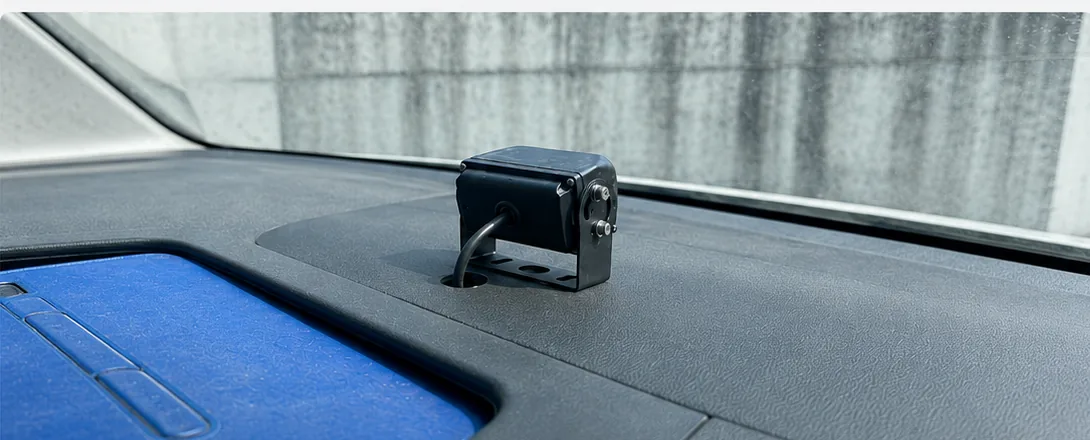
Compact MetaVision camera mounted on a car dashboard
4 × 1080PFull HD camera channels (MetaVision)
60Days of recording at most, with up to 512 GB of internal storage
6Driver behaviour classes in one device
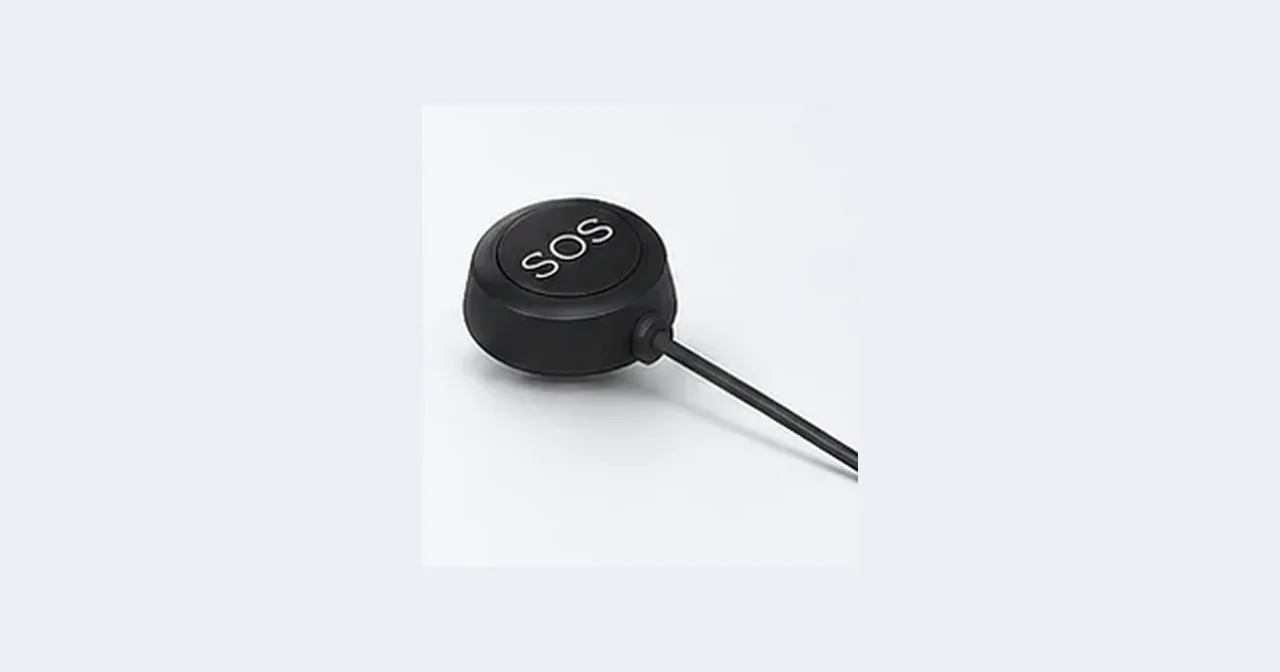
SOSPanic button: speed, location and time sent straight to the fleet's own panel
Vehicles covered
  • Vehicle category (UN/EU classification): M1
  • Company and corporate fleet cars
  • Rental cars (long and short term)
  • Taxis and shared taxis (taksi dolmuş)
  • Sales and field team cars

What is mandatory for these vehicles?

In taxis and shared taxis, in-vehicle cameras, a recorder, a vehicle tracking system and panic buttons are now mandatory under the Turkish Road Traffic Regulation. For privately used cars and for company and rental fleets we found no general tracking or camera duty; there, tracking and recording are a business decision. ADAS systems are a manufacturer's type-approval duty and are not required as retrofits on vehicles already on the road.

Mandatory (law)

In-vehicle camera and recorder in taxis and shared taxis

The vehicle must carry a camera system and a video recorder showing the interior (including the driver's seat) and the road ahead. Recording runs while the vehicle is in service and covers at least one month; recordings are kept available to the Ministry of the Interior (police and gendarmerie). The devices must meet the minimum conditions of the fitting regulation.

Applies to
M1 vehicles operating as taxis or shared taxis
Dates
Vehicles registered for the first time: required at first registration (from 30 days after the amendment of 19.08.2025, about 18.09.2025). Vehicles registered before: not required until the first inspection after these dates: 2023–2025 models 01.01.2026, 2018–2022 models 01.01.2027, 2017 and older 01.01.2028.
For this need

Source: Karayolları Trafik Yönetmeliği (Road Traffic Regulation), Art. 64, Schedule 1 (C) (added in Official Gazette 29.11.2024/32737) and Provisional Art. 12 (amended in Official Gazette 19.08.2025/32991)

Mandatory (law)

Vehicle tracking system and panic buttons in taxis and shared taxis

The vehicle must have a vehicle tracking system (ATS) and panic buttons. The fitting regulation requires at least two panic buttons in M1 vehicles, one of them at the driver's position. Minimum technical specifications are set for the tracking system, camera, recorder and panic button; the conformity of the devices and their fitting is documented with a device fitting report (montaja uygun cihaz raporu), a series fitting certificate and a series fitting conformity report.

Applies to
M1 vehicles operating as taxis or shared taxis
Dates
Vehicles registered for the first time: required at first registration (from 30 days after the amendment of 19.08.2025, about 18.09.2025). Vehicles registered before: not required until the first inspection after these dates: 2023–2025 models 01.01.2026, 2018–2022 models 01.01.2027, 2017 and older 01.01.2028.
For this need

Source: Karayolları Trafik Yönetmeliği (Road Traffic Regulation), Art. 64, Schedule 1 (C) (added in Official Gazette 29.11.2024/32737) and Provisional Art. 12 (amended in Official Gazette 19.08.2025/32991); Araçların İmal, Tadil ve Montajı Hakkında Yönetmelik (vehicle manufacture, modification and fitting regulation), Annex VI 4.1 (Official Gazette 18.02.2025/32817)

Manufacturer duty (type approval)

GSR2 driver assistance systems (ADAS)

Systems such as intelligent speed assistance (ISA), driver drowsiness and attention warning (DDAW), advanced driver distraction warning (ADDW), event data recorder (EDR), emergency braking (AEBS), emergency lane keeping (ELKS) and reversing detection are a vehicle manufacturer's type-approval duty. No provision requires retrofitting them to vehicles already on the road.

Applies to
New M1 vehicles (manufacturer)
Dates
Core set: new types 06.07.2022, all new vehicles 31.08.2024. ADDW: new types 07.07.2024, all new vehicles 07.07.2026.
Outside the scope of Metadiag products

Source: Motorlu Araçlar ve Römorkları ile Bunlar İçin Tasarlanan Aksam, Sistem ve Ayrı Teknik Ünitelerin Genel Güvenliği ve Korunmasız Karayolu Kullanıcılarının ve Yolcuların Korunması ile İlgili Tip Onayı Yönetmeliği (AB/2019/2144) (Turkish General Safety Regulation, GSR2), Annex II (Official Gazette 31.12.2025/33124)

Common problems in passenger car fleets

Company and rental cars pass between different drivers all day, and taxis are on the road day and night. When location, fuel and driving data do not reach the office, cost and risk stay invisible.

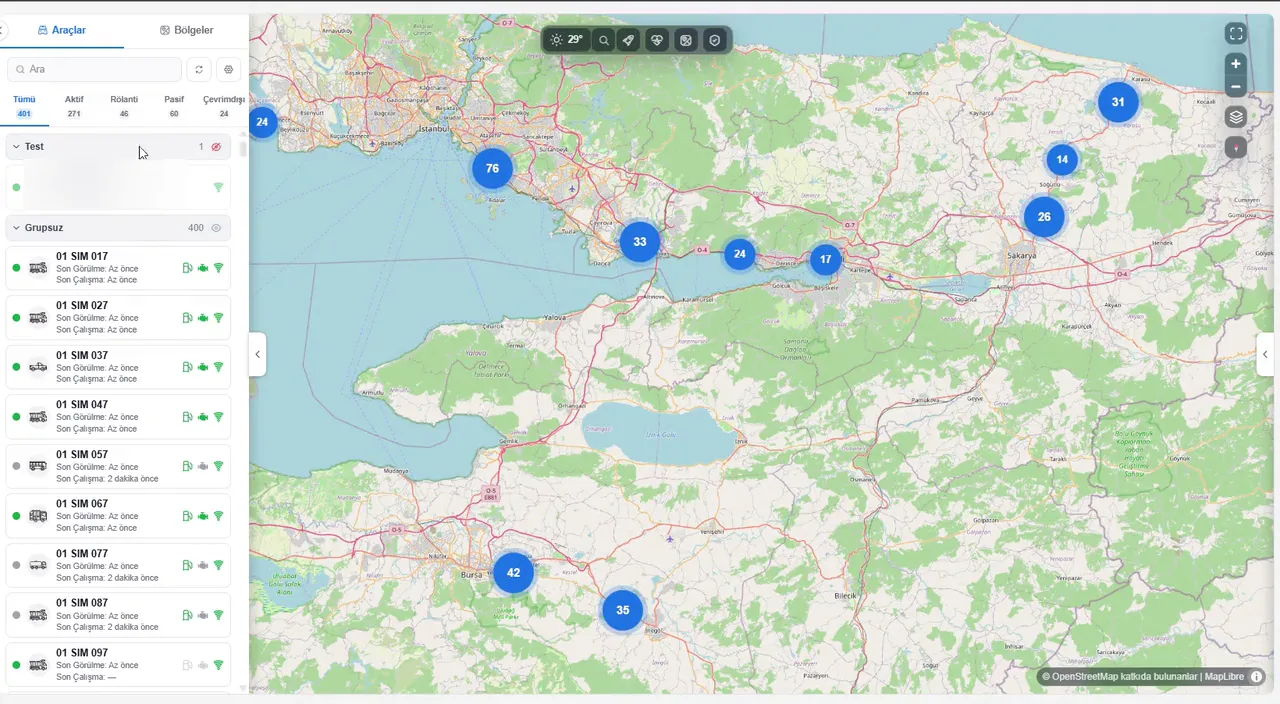
MetaFMS live map with fleet clusters and the vehicle status list

Where is the vehicle now, and how did the day go?

The location, route and stops of company and rental cars are unknown unless someone phones the driver.

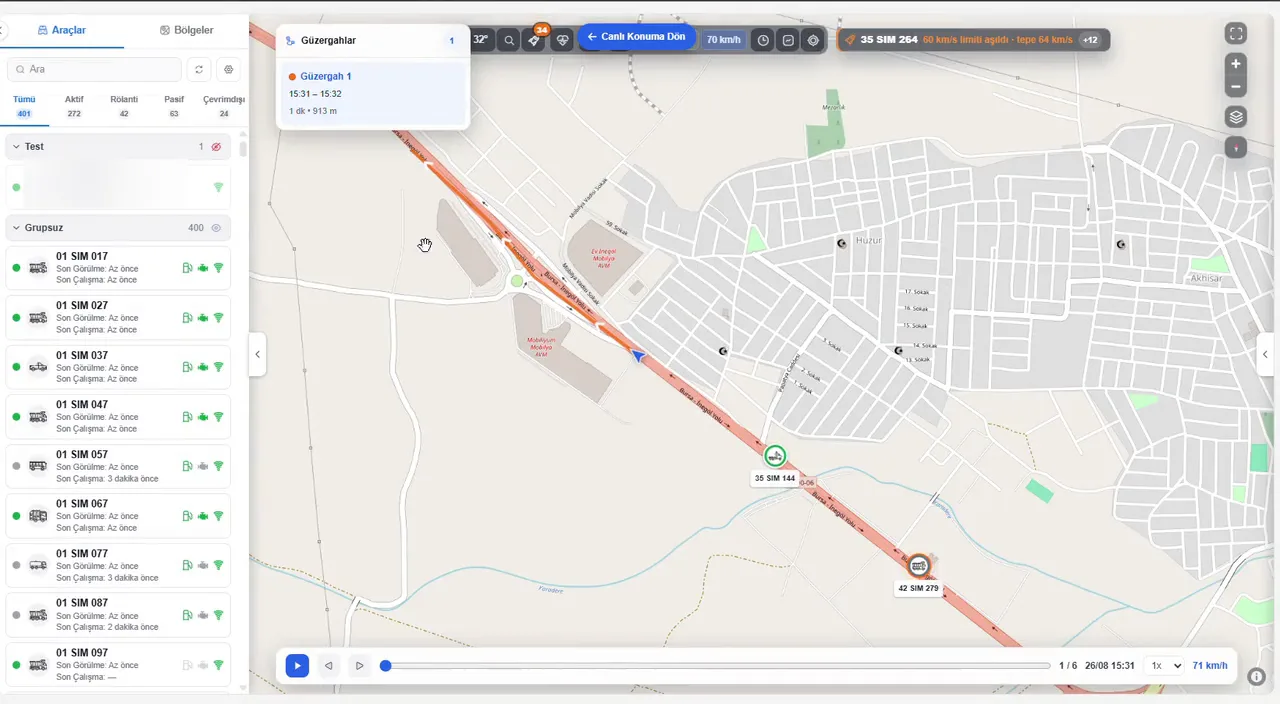
With MetadiagMetaTrack sends location and vehicle data to MetaFMS. The whole fleet appears on one map with its status; past routes replay with speed and stop details, and entries to and exits from defined zones are reported.

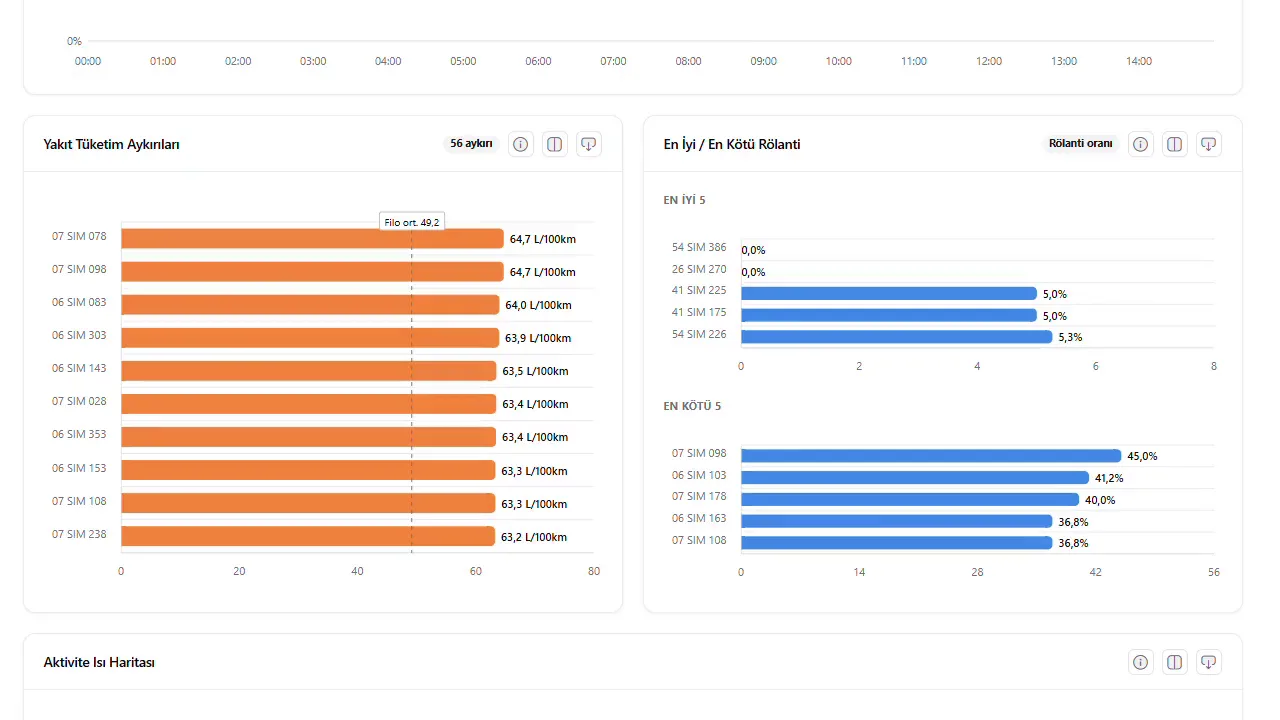
Fuel consumption outliers and best / worst idling charts

Fuel costs rise but the cause is not visible

The receipts add up, but nobody knows how much each vehicle uses or how long it sits idling.

With MetadiagMetaTrack reads instant and total fuel consumption, idle time and engine data, as far as the vehicle's CAN bus allows. MetaFMS fuel analysis reports total and average consumption (L/100 km) per vehicle and fuel burned while idling.

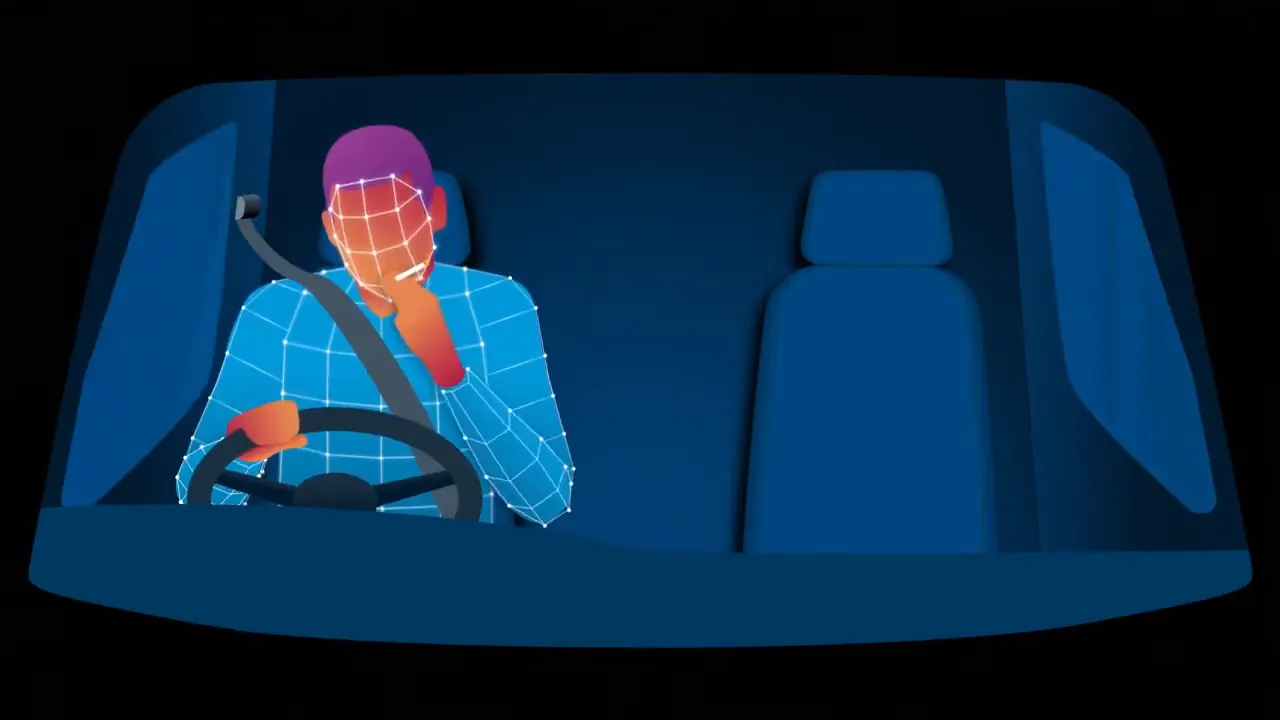
Illustration of AI analysis tracking the face and body of a driver smoking inside a car

Driver behaviour cannot be followed from the office

Phone use, seat belt violations and fatigue are noticed only after something has happened.

With MetadiagMetaVision detects fatigue and drowsiness, distraction, phone use, smoking, speed-limit and seat belt violations. It warns the driver by voice and sends the event to MetaFMS as an alarm; violations become a risk score per driver and per vehicle.

Route playback opened from a speeding record in MetaFMS

After damage or an incident, nobody knows what happened

In rental and company cars, incidents on the road or in a car park cannot be assessed without footage.

With MetadiagMetaVision records up to 4 channels in 1080P; footage, location and vehicle data meet in the same event record. Recordings made without coverage are uploaded once the connection returns. In parking mode, motion or impact triggers a recording and a notification with images.

Black wired panic button marked SOS

A taxi driver in danger cannot call for help

On a night shift or in a quiet spot, the driver cannot always reach for a phone.

With MetadiagWhen the MetaVision panic button is pressed, a red Emergency alarm appears in the portal, and the vehicle's current speed, location and time go straight to the authorised operator. This alert appears in the fleet's own panel; the control centre foreseen by the regulation is designated by the Ministry of Interior.

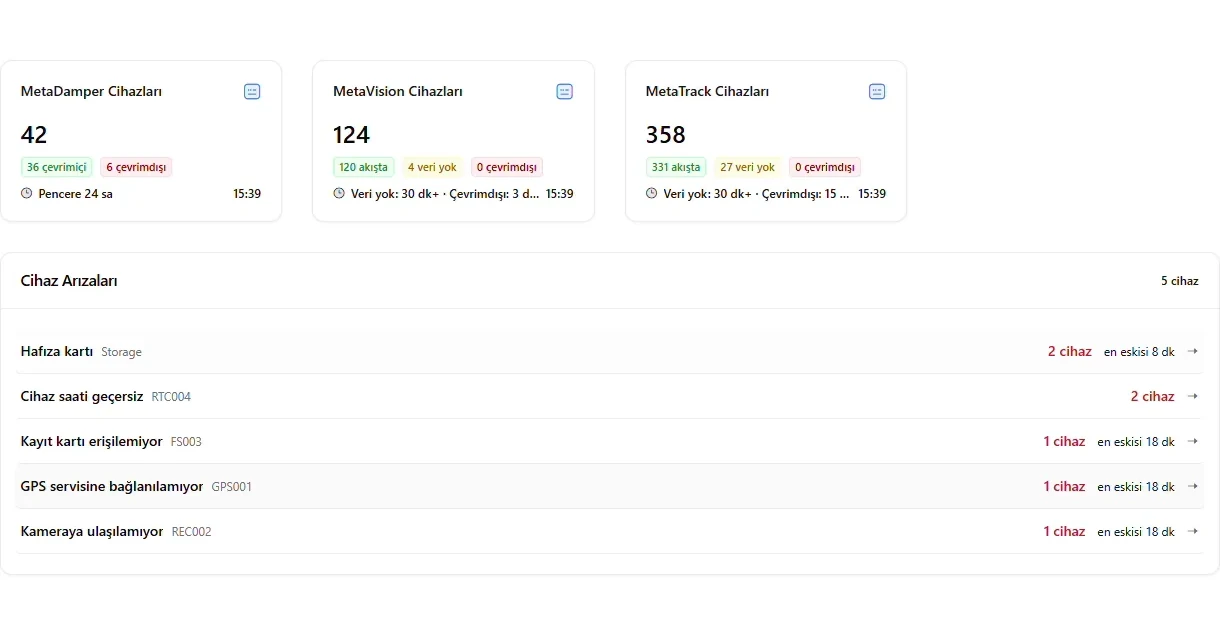
Device faults on the MetaFMS overview: camera unreachable, storage card not accessible

Nobody notices when a camera is covered

When a camera is covered, turned away or faulty, the recording can turn out to be empty just when it is needed.

With MetadiagWhen the camera is blocked, turned away or faulty, MetaVision raises a "driver not detected" alert and the vehicle moves to the ‘needs attention’ list in MetaFMS. Attempts to disable the system become visible to the office.

Frequently asked questions

Is a tracking system mandatory in company cars?

For privately used cars and for company and rental fleets we found no general tracking or camera duty. For vehicles owned by or operating under a permit from a municipality, a tracking system and panic button may be required by a UKOME or provincial traffic commission decision (Road Traffic Regulation, Additional Art. 4). Taxis and shared taxis are the exception: there, a camera, recorder, tracking system and panic button are mandatory under the Road Traffic Regulation. We recommend checking the official source for any specific rule that applies to your vehicle's licence and use.

From when are cameras and panic buttons mandatory in taxis?

Under Provisional Article 12 of the Road Traffic Regulation, newly registered taxis and shared taxis need them from 30 days after the amendment of 19.08.2025. For vehicles already on the road, the requirement is not applied until the first inspection after 01.01.2026 for 2023–2025 models, 01.01.2027 for 2018–2022 models and 01.01.2028 for 2017 and older models.

How many panic buttons does a taxi need, and which documents do the devices require?

Annex VI 4.1 of the Turkish regulation on vehicle manufacture, modification and fitting requires at least two panic buttons in M1 vehicles, one of them at the driver's position. Minimum technical specifications are set for the tracking system, camera, recorder and panic button; the conformity of the devices and their fitting is documented with a device fitting report (montaja uygun cihaz raporu), a series fitting certificate and a series fitting conformity report. We recommend checking the current conditions in the official source.

How should out-of-hours tracking of company cars be handled?

Location and camera data in a company car are personal data under Turkish Data Protection Law No. 6698 (KVKK); limits on out-of-hours tracking, a legitimate and specific purpose, proportionality, informing the employee and a set retention period must be assessed together. In employment, explicit consent alone may not be enough; the legal framework should be defined with a legal adviser. In MetaFMS, only authorised users see data within their permissions.

Are incidents recorded while a rental car is parked?

In parking mode, MetaVision starts recording and sends a notification with images when it detects motion or an impact. Recordings can be kept for up to 60 days with up to 512 GB of internal storage, and recordings made without coverage are uploaded to MetaFMS once the connection returns.

Do I have to retrofit my existing car with the driver assistance systems of new vehicles?

GSR2 is a type-approval duty placed on manufacturers for new vehicles; it is not retroactive to vehicles already registered. Aftermarket systems such as MetaVision driver monitoring can be used for a fleet's driver safety needs, but they do not replace the GSR2 duty.

Passenger cars

Let's start with a few pilot vehicles in your fleet

Tell us how many vehicles you run and how you use them, and we will work out the right product set and installation plan with you.

Products of interest